Deep Brain Reorienting (DBR)| Renewal Therapy
“Specialized DBR Therapy for Complex PTSD (Online Ontario)”
What Is Deep Brain Reorienting?
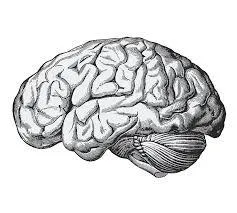
Deep Brain Reorienting (DBR) is a neurobiologically grounded trauma therapy developed by Dr. Frank Corrigan. Rather than focusing solely on narrative memory, DBR works with pre-verbal, deeply held brainstem responses — the earliest “orienting” reactions your nervous system made when trauma first occurred.
This method helps you safely process the shock-level, implicit memories that reside deep in the brainstem — rather than just working with the stories you remember.
How Does DBR Work?
--
DBR is a bottom-up therapeutic model. Here’s how a typical session is structured:
Orienting Phase
You’re guided to notice very subtle sensations in your body — especially around your face, neck, or head — that are linked to how your brain first oriented toward threat.Shock Activation
As you stay present with these micro-sensations, you may begin to access the “shock” that originally registered deep in your brainstem — before cognitive processing or story.This shock is held and processed gently, without needing to relive or articulate a traumatic narrative.
Affect Processing and Integration
Once that core shock is accessed, emotions such as sadness, fear, or grief may surface. You process these as they come — slowly and with regulation.Over time, your nervous system integrates these experiences, helping you reorient your threat-response system in a more regulated way.
What Can DBR Help With?
-
Deep Brain Reorienting is especially useful for:Trauma & PTSD, including cases that haven’t fully resolved with traditional talk therapies.
Complex trauma and attachment wounds, where early relational trauma or developmental shock is stored in the nervous system.
Pre-verbal trauma — experiences that preceded language (e.g., early childhood, infancy).
Emotional shutdown or dissociation, because it works without forcing you to verbally retell traumatic stories.
Chronic dysregulation, anxiety, or tension that seems untouched by more cognitive-based therapies
-
What Does a DBR Session Look Like?
The work is intentional, gentle, and paced, allowing your system to stay resourced.
You may sit comfortably with your eyes closed.
You’ll be guided to track micro-sensations in your body, especially in the head, face, or neck.
As these sensations deepen, you and your therapist will work together to stay present and grounded through the activation of the brainstem shock response.
Emotions that come up are processed gradually — there is no pressure to tell your story in a linear or verbal way.
Over repeated sessions, you build a capacity for recalibrated threat response, better self-regulation, and integration of early trauma.
Evidence & Research
Deep Brain Reorienting (DBR) is a newer, emerging therapeutic approach. Early clinical observations and practitioner reports suggest that DBR help clients process attachment-based trauma by targeting the brainstem-level orienting response that underlies shock, overwhelm, and relational wounding.
One preliminary study by Roy Kiessling and colleagues (2023) explored the impact of DBR on trauma symptoms among adults receiving the treatment. The participants reported significant decreases in trauma-related distress, improved emotional regulation, and a greater sense of internal safety following the intervention.
DBR continues to grow in popularity as therapists seek approaches that work gently with the body, deepen somatic awareness, and address trauma at its preverbal and autonomic roots.
A randomized controlled trial demonstrated that 8 DBR sessions (delivered via videoconferencing) significantly reduced PTSD symptoms.
At 3-month follow-up, many participants no longer met full PTSD criteria.
Q:Is DBR Safe for Me?
A:Yes — DBR is designed to be safe and nervous-system–friendly:
You’re not asked to revisit traumatic stories in detail.
The focus is on sensations, not narrative.
You stay grounded and regulated throughout, with your therapist supporting pacing and integration.
.
Q:How many DBR sessions will I need?
A:It depends. Some people begin to feel changes after just a few sessions; for deep or complex trauma, more sessions are often needed. It could be anywhere from 3-10 or more.
.
Q: Will I have to tell all of my trauma stories?
A: Not in DBR. You don’t need to verbalize or narrate your entire traumatic history; the work is rooted in bodily awareness.
.
Q: Can I combine DBR with other therapies (NARM Brainspotting)?
A: Yes — many clients benefit from combining DBR with other modalities for a holistic approach.
.
How to Start DBR at Renewal Therapy:
.
Book a Consultation
.
Schedule a free 15-20 minute call with one of our trauma-informed therapists to explore if DBR is right for you.
Intentional therapy from the comfort of your own home.
Quick links
© Renewal Therapy. 2026. All Rights Reserved.